June 1, 2026
Every modern household relies on a continuous, dependable supply of heated water to manage daily hygiene, cooking, and sanitation needs. When an aging appliance begins to fail, homeowners face the daunting task of navigating a complex market filled with diverse mechanical designs and energy ratings. Selecting the perfect replacement requires a careful balance between your family's daily consumption patterns, initial budget constraints, and long-term utility goals. Making an uninformed purchase on a hot water heater can lead to lukewarm morning showers, inflated monthly energy bills, or premature equipment failure. Understanding your specific household dynamics ensures you invest in a system that delivers reliable comfort for many years.
Evaluating Storage Tank and Tankless Technologies
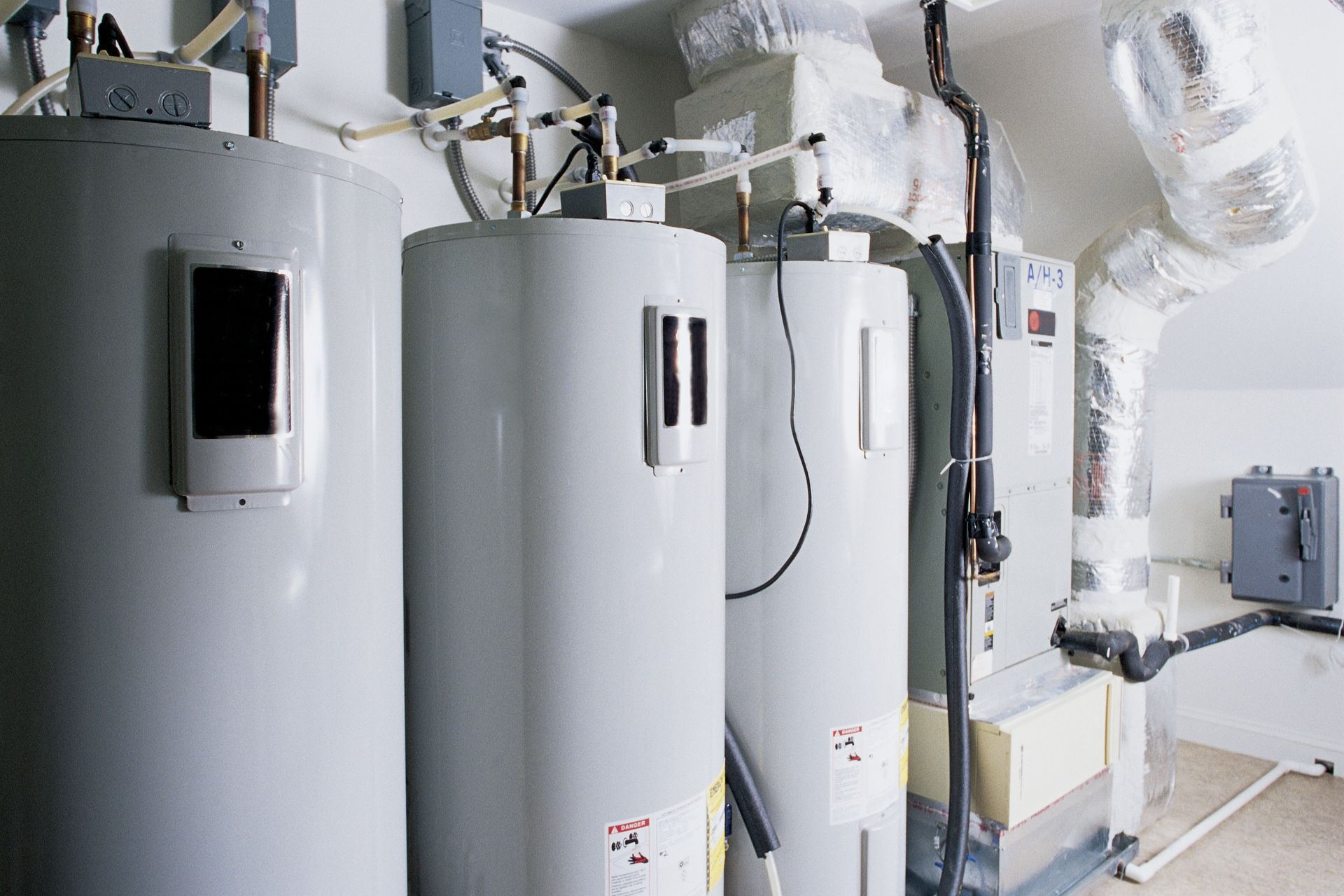
Deciding between a traditional reservoir design and a modern on-demand system represents the most significant choice in your purchasing journey. Conventional storage models maintain a preheated reservoir of water, ensuring immediate availability but consuming constant standby energy to maintain temperatures. Conversely, tankless alternatives heat water instantly using high-powered burners or electric elements as it flows through the internal heat exchanger. While on-demand units require a higher initial financial investment, they eliminate standby energy losses and provide an endless supply of hot water. Discussing these mechanical options with a licensed plumbing professional will help you align your property correctly with the configuration of current market offerings.
Assessing Household Size and Daily Demand
Determining the exact capacity requirements for your living space prevents the frustration of running out of warmth during peak morning hours. A small two-person household has vastly different operational needs than a large family with multiple bathrooms, washing machines, and dishwashers running simultaneously. For storage models, this means calculating the total gallon capacity, whereas tankless systems require analyzing the flow rate measured in gallons per minute. Oversizing your unit leads to unnecessary energy expenditures, while undersizing it places immense operational stress on the internal components. Correctly matching system capacity to your family's peak usage hours guarantees seamless comfort across every plumbing fixture in your home.
Comparing Fuel Sources and Energy Efficiency
Analyzing the available energy options in your neighborhood directly impacts both your initial installation expenses and subsequent monthly operating utilities. Natural gas units typically feature faster recovery rates and lower monthly fuel expenses, though they require dedicated ventilation pipes routed through the roof or exterior wall. Electric models offer highly efficient operational performance and simplified installation configurations, making them ideal for properties lacking pre-existing gas infrastructure. Additionally, modern hybrid heat pump designs absorb ambient heat from the surrounding air to warm the water, offering unprecedented energy savings for eco-conscious homeowners. Evaluating these distinct fuel dynamics allows you to optimize your long-term household utility budget.
Calculating Initial Costs and Financial Paybacks
Balancing your immediate structural upgrade budget against long-term operational savings requires a detailed financial analysis of the total cost of ownership. High-efficiency systems frequently carry a premium retail price tag, but they quickly offset these upfront expenses through drastically reduced monthly electricity or gas bills. Many municipal utility companies and federal environmental programs also offer lucrative rebates and tax credits for installing certified energy-efficient appliances. It is essential to factor in potential structural modifications, such as upgraded gas lines or electrical panels, when calculating your final project estimates. Budgeting wisely ensures you secure a high-performing hot water heater without straining your immediate household finances.
Prioritizing Routine Maintenance and System Longevity
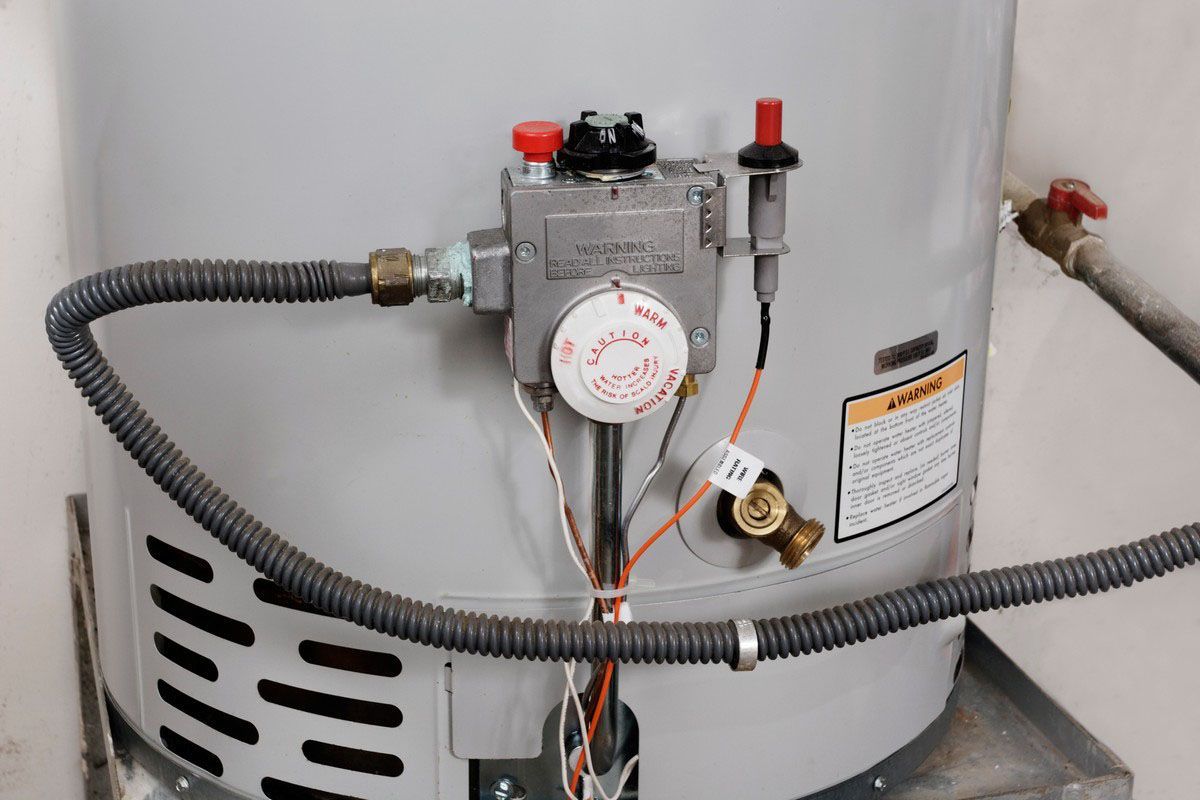
Sustaining peak operational efficiency throughout the lifespan of your chosen appliance demands a strict commitment to preventative mechanical upkeep. Over time, naturally occurring mineral deposits collect along the bottom of the reservoir or coat the internal heating elements, creating an insulating barrier that forces the system to work harder. This scale accumulation accelerates structural degradation and significantly shortens the operational lifespan of your essential mechanical investment. According to The Spruce, water heaters should be drained and inspected at least once each year. Adhering to this professional maintenance standard prevents sediment buildup from causing permanent structural damage to your appliance.
Examining Local Building Codes and Regulations
Navigating the legal landscape of residential plumbing installations ensures your new mechanical equipment complies fully with all municipal safety ordinances. Local building departments enforce strict guidelines regarding proper venting, dedicated electrical circuits, emergency drain pans, and seismic strapping to protect your property from structural hazards. Violating these regional construction codes can result in severe financial penalties, delayed property sales, and the immediate voiding of your manufacturer's warranty coverage. Working with a certified contractor guarantees that every aspect of your installation meets or exceeds current national safety standards. Reviewing these strict regulatory parameters beforehand prevents costly retroactive corrections to your utility framework.
Understanding First Hour Ratings and Recovery Times
Interpreting the technical performance metrics listed on the yellow EnergyGuide label helps you predict how your appliance will perform under heavy household stress. The first hour rating measures the exact volume of fully heated water the unit can reliably deliver during an initial hour of peak consumption. Simultaneously, the recovery rate indicates how quickly the system can replenish its storage tank after being completely emptied by consecutive showers or appliance cycles. Systems with low recovery capabilities force family members to wait extended periods between uses, disrupting your daily household routines. Evaluating these specific performance metrics ensures your hot water heater maintains a steady, uninterrupted flow of warmth.
Investigating Specialized Warranty Options and Coverage
Securing a robust manufacturer warranty provides essential financial protection against unexpected mechanical failures, faulty components, or premature tank leaks. Standard product warranties typically cover the primary storage container and internal operational components for a period ranging from six to twelve years. Investing in an extended warranty tier often signifies superior manufacturing materials, such as heavier sacrificial anode rods or thicker internal porcelain linings. It is equally vital to understand what actions, such as improper DIY installations or neglected flushing schedules, can legally invalidate your coverage. Reviewing the fine print protects your long-term investment from expensive out-of-pocket repair bills down the road.
Considering Space Limitations and Installation Locations
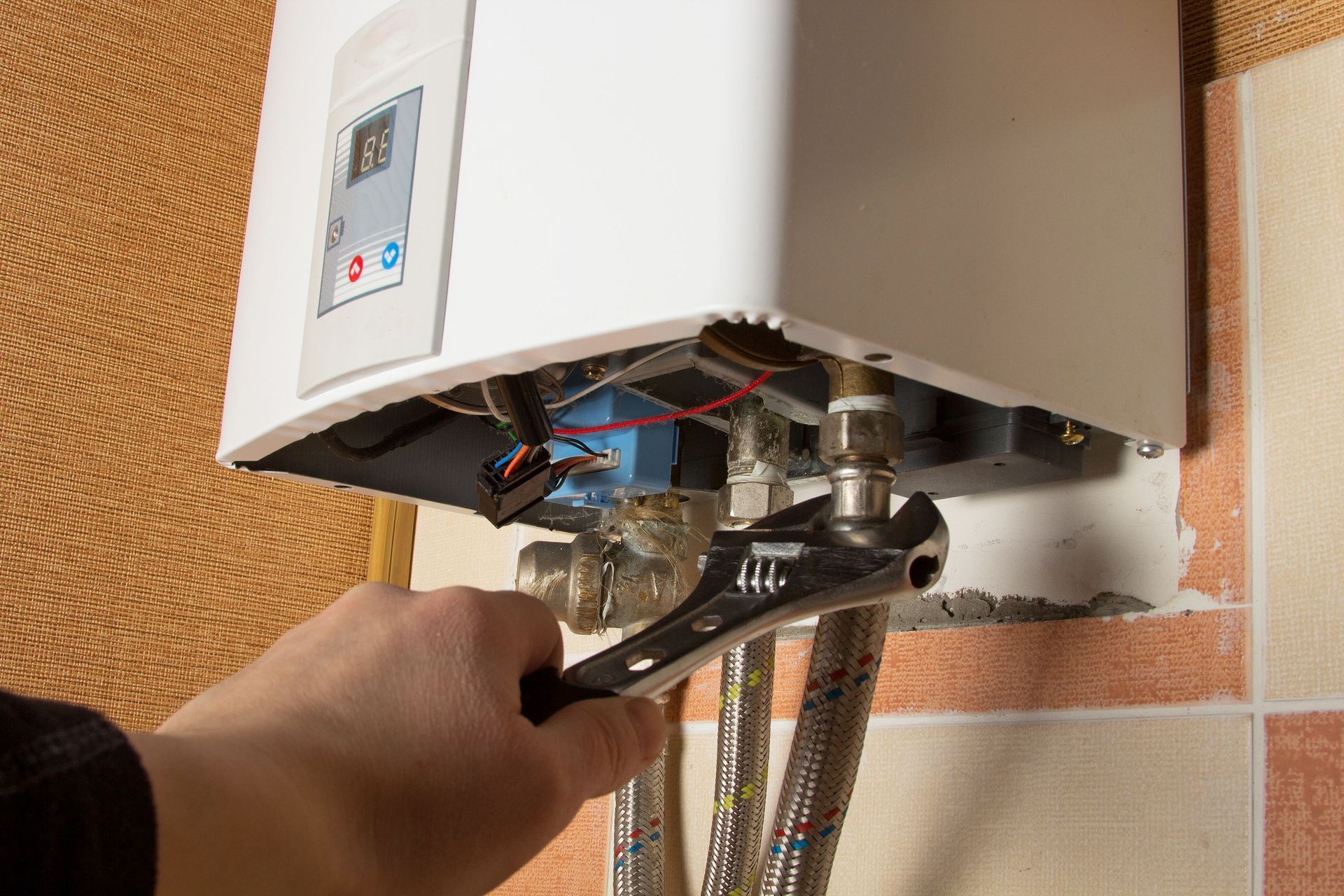
Mapping the physical dimensions of your designated utility area prevents structural spacing conflicts when delivering your new mechanical equipment. Traditional tank units require a substantial physical footprint, making them difficult to position inside compact utility closets, crawlspaces, or tight basement corners. Compact tankless systems can be mounted directly onto interior or exterior walls, freeing up valuable square footage for additional household storage needs. You must also ensure the installation site provides adequate clearance for future maintenance access, proper ventilation, and ambient air circulation requirements. Selecting a hot water heater that fits your structural layout simplifies the initial configuration process significantly.
Mitigating Severe Hard Water and Scale Accumulation
Analyzing the chemical composition of your local municipal water supply protects your new appliance from the destructive effects of aggressive mineral scaling. Regions with high concentrations of dissolved calcium and magnesium accelerate sediment crystallization inside plumbing lines and along vital heating elements. This persistent scaling reduces thermal heat transfer, degrades water pressure, and can cause the main storage tank to overheat and rupture prematurely. Integrating a dedicated water softening system or a scale-inhibiting filter alongside your new unit extends its operational lifespan dramatically. Taking these protective water quality precautions keeps your hot water heater running at peak thermodynamic efficiency.
Investing in a modern, energy-efficient appliance transforms your daily domestic routines while securing long-term reductions in your household utility expenditures. By carefully evaluating storage options, calculating precise capacity needs, and adhering to strict annual maintenance schedules, you guarantee an uninterrupted supply of warmth for your family. Avoid the temptation to rush this critical decision, as selecting the perfect model requires a thorough understanding of fuel dynamics, space constraints, and regional building ordinances. Taking a proactive, informed approach to this major home improvement project protects your property value and enhances your overall standard of living. Ultimately, the right hot water heater provides dependable, worry-free comfort that quietly supports your household for decades to come. Are you in the market for a new hot water heater in the Margate, NJ area? The professionals at Giannone Plumbing Heating & Cooling, LLC are ready to assist! Call today to schedule your water heater service.