Water heaters are essential in modern homes, providing the comfort of hot water for bathing, cleaning, and cooking. However, choosing the right water heater can be daunting, given the numerous options and the importance of optimizing both the cost and efficiency of your choice. This article explores key questions and considerations, thus guiding informed decisions and ensuring effective usage of hot water heaters. Understanding these essential elements will empower homeowners to select the best water heater solutions tailored to their needs and expectations.
What Type of Water Heater Should I Choose?
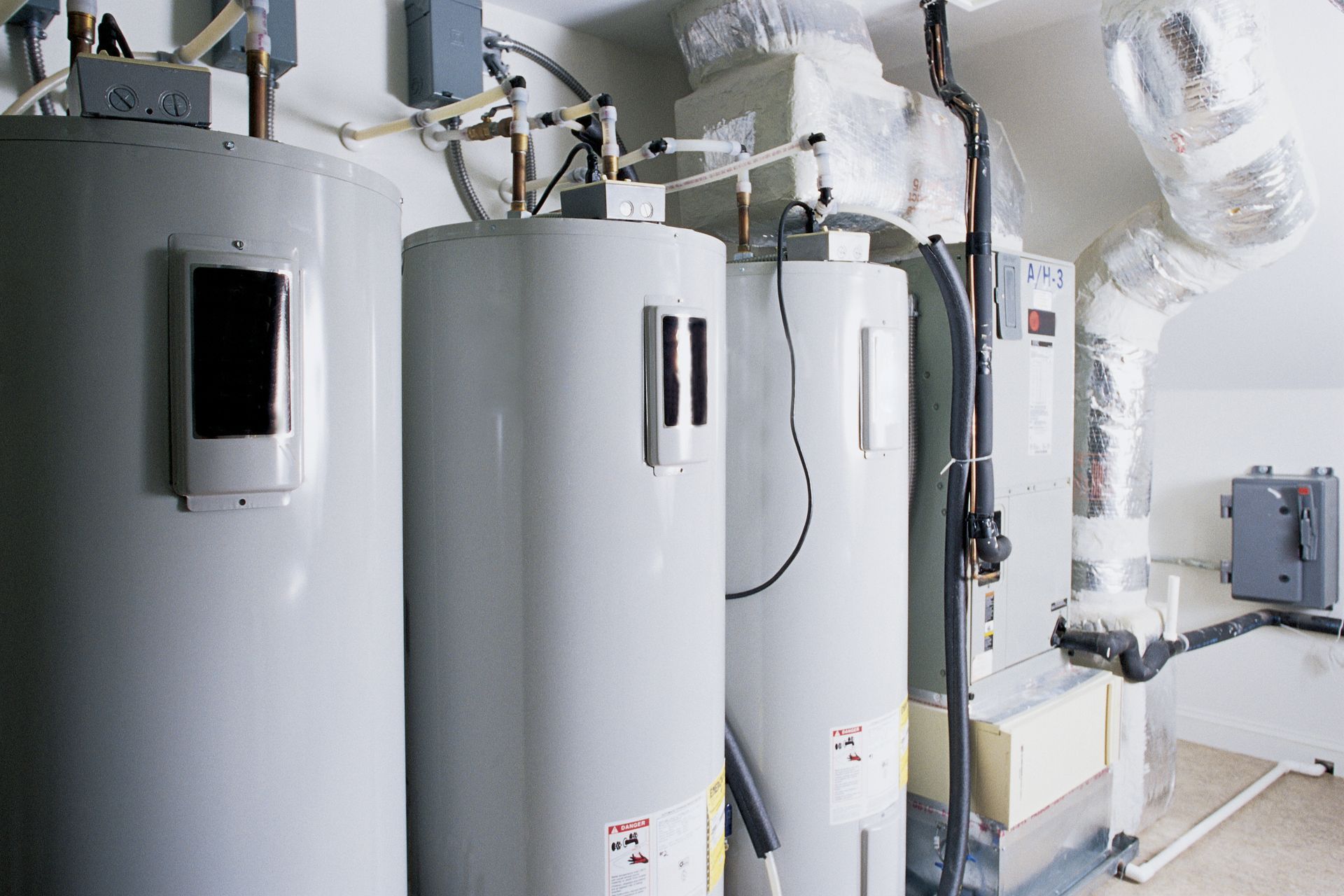
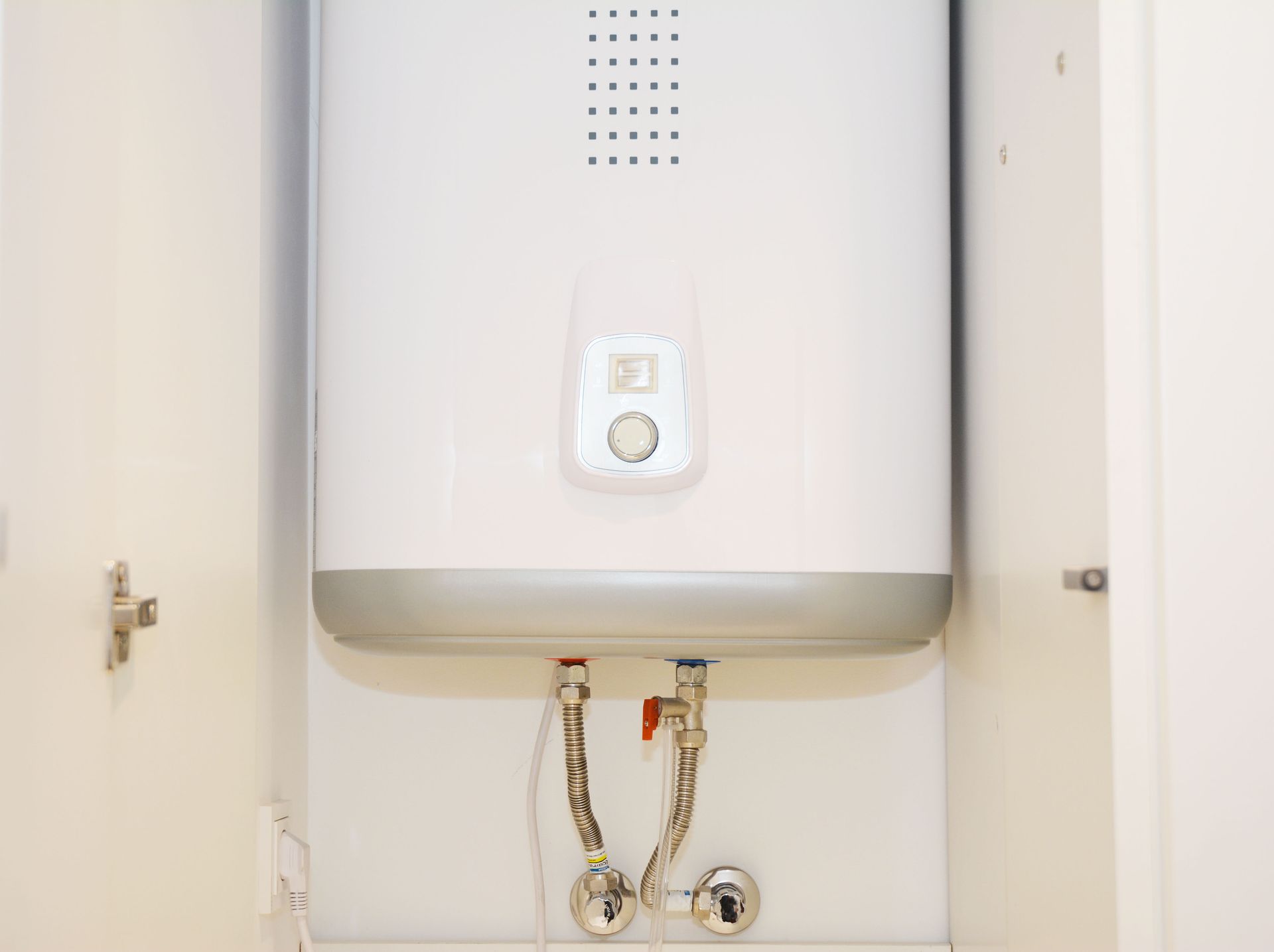
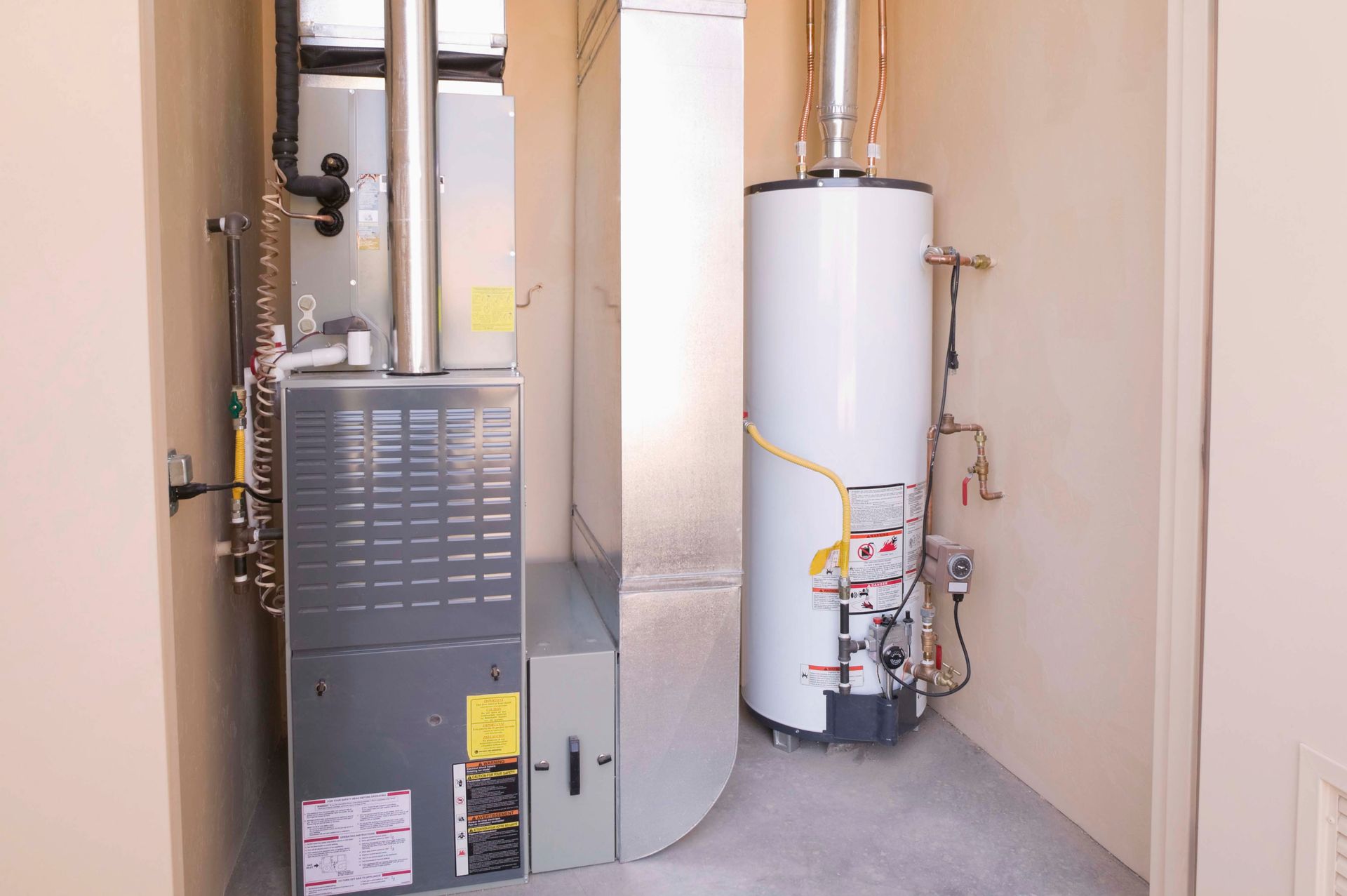
There are primarily four types of hot water heaters available on the market: storage water heaters, tankless water heaters, heat pump water heaters, and solar water heaters. Storage water heaters, the most common, keep hot water ready in a tank and are generally more affordable upfront. Tankless hot water heaters, also known as on-demand systems, heat the water as it flows through the unit, which can offer a continuous supply of hot water at a rate of two to five gallons per minute, according to Bob Vila, an online home improvement resource. Heat pump water heaters and solar water heaters are eco-friendly options designed to leverage renewable energy sources, making them ideal for environmentally conscious consumers.
Each type of water heater has its advantages and potential drawbacks. Storage water heaters are reliable but can be inefficient due to standby heat loss. Tankless models save space and energy but often come with a higher purchase price and installation cost. Meanwhile, solar and heat pump water heaters can significantly reduce energy bills over time, although they require specific environmental conditions or space needed for adequate efficiency.
Choosing the right type of water heater largely depends on the household's specific water usage needs, local climate, and long-term energy consumption goals. Consumers need to evaluate factors like initial costs, installation complexities, and ongoing maintenance expenses. The longevity and efficiency of the water heater should also be factored into long-term planning. Engaging with a certified professional can provide insights tailored to individual scenarios, helping pinpoint optimal solutions.
How Can You Determine the Right Water Heater Size?
The correct size of a water heater is crucial to ensuring daily comfort and optimizing the cost-effectiveness of hot water utilities. An appropriately sized water heater prevents energy wastage from heating excess water and guarantees that the household demand for hot water is met efficiently. When choosing a storage water heater, consider the first-hour rating (FHR), which estimates the amount of hot water produced in a given hour. For tankless hot water heaters, the flow rate should match the aggregate demand of household appliances and fixtures that use hot water simultaneously.
Households with multiple occupants, bathtubs, or high-consumption activities will need a higher-capacity water heater, while smaller households or those with modest water demands might find a smaller unit sufficient. Analyzing usage patterns can also help in making an informed decision; for instance, understanding peak times of usage can prevent system overload in tankless models. Additionally, factoring in potential future changes—such as family expansion or the addition of high-water-usage appliances—can ensure the water heater remains adequate for years to come.
Consulting with plumbing professionals can provide clarity and reassurance in choosing the right unit size. They can perform an accurate assessment of current and future demand, balancing efficiency with practicality. The end objective is to secure an uninterrupted hot water supply without incurring unnecessary energy costs. Manufacturers generally provide sizing guidelines, but personalized assessments remain the best route to precision fit solutions.
What Signs Should You Identify When a Water Heater Is Failing?
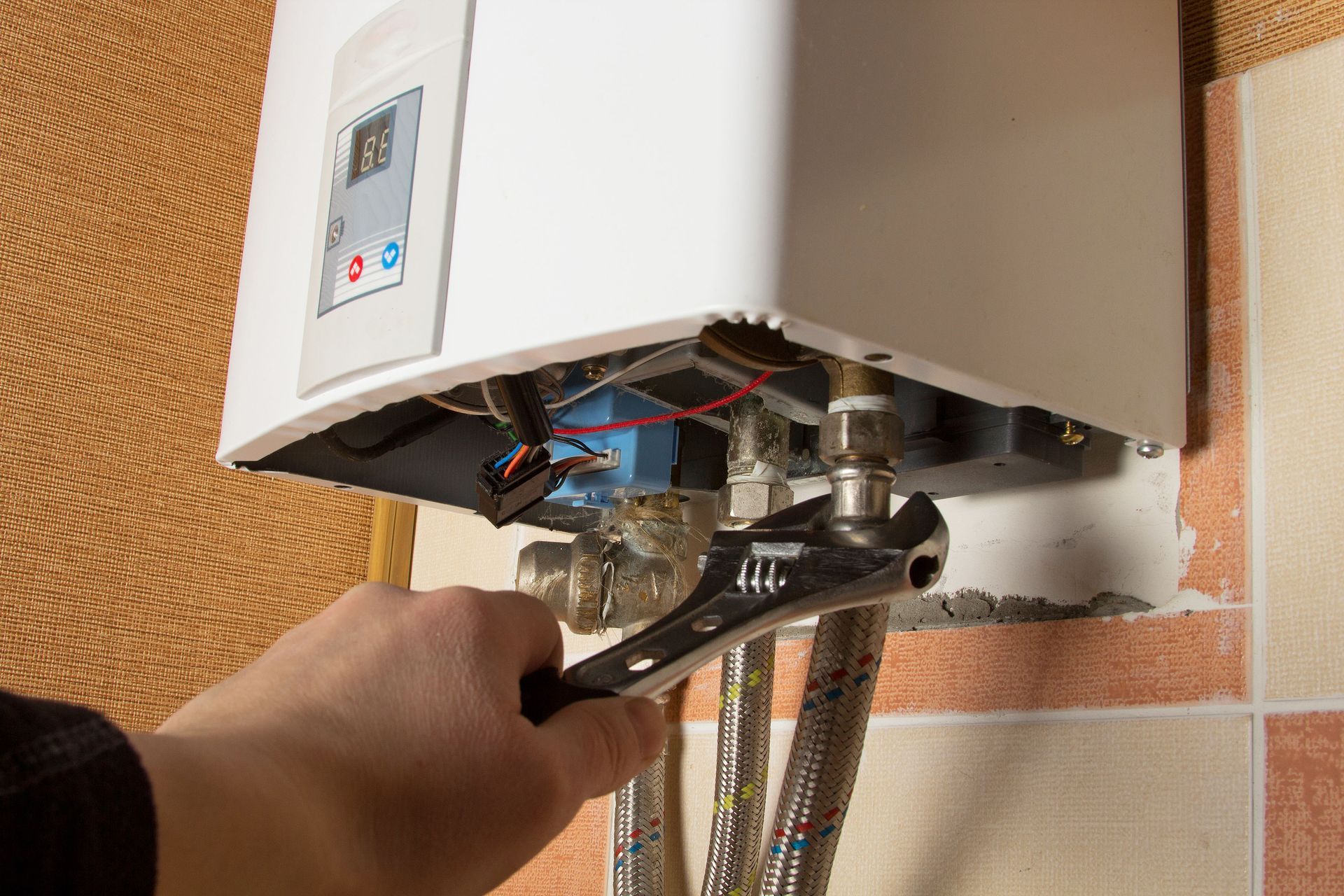
Recognizing the early warning signs of a failing water heater can save homeowners from sudden breakdowns and expensive emergency repairs. Common symptoms of water heater issues include inconsistent water temperatures or a complete lack of hot water. Unusual noises deriving from the heater, such as rumbling or clanking, might indicate sediment buildup, impacting its efficiency. Rusty water or metallic tastes and smells could signal corrosion inside the tank, necessitating prompt inspection by a professional.
Water leaks around the base of the heater should be addressed immediately, as they may indicate internal tank fractures or severe valve issues. A noticeable decrease in water pressure, coupled with a warming delay, could suggest the heater's overheating components or a deteriorating heating element. Age is also a significant factor. Monitoring these signs can avert major damage and allow for preemptive repairs or replacement.
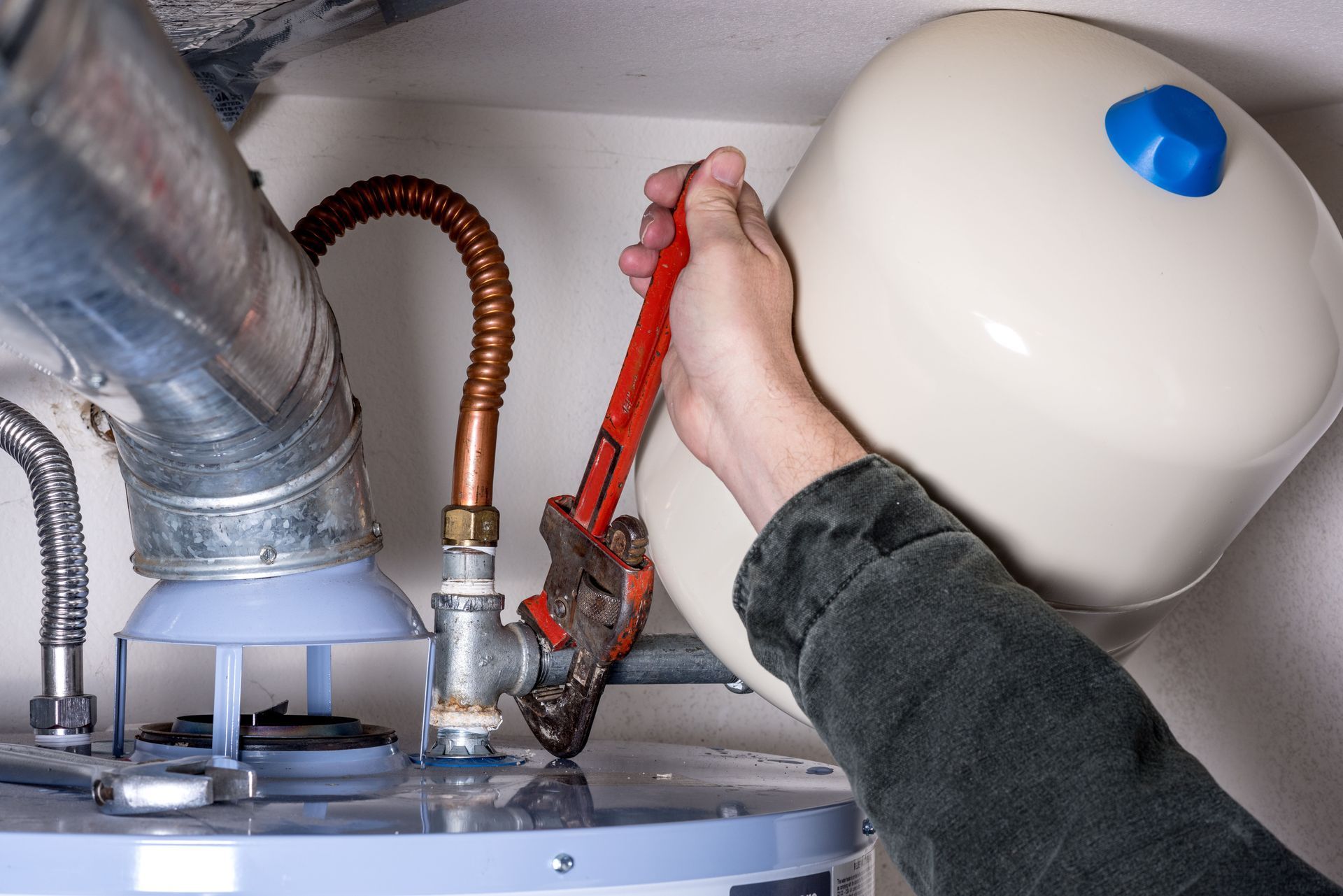
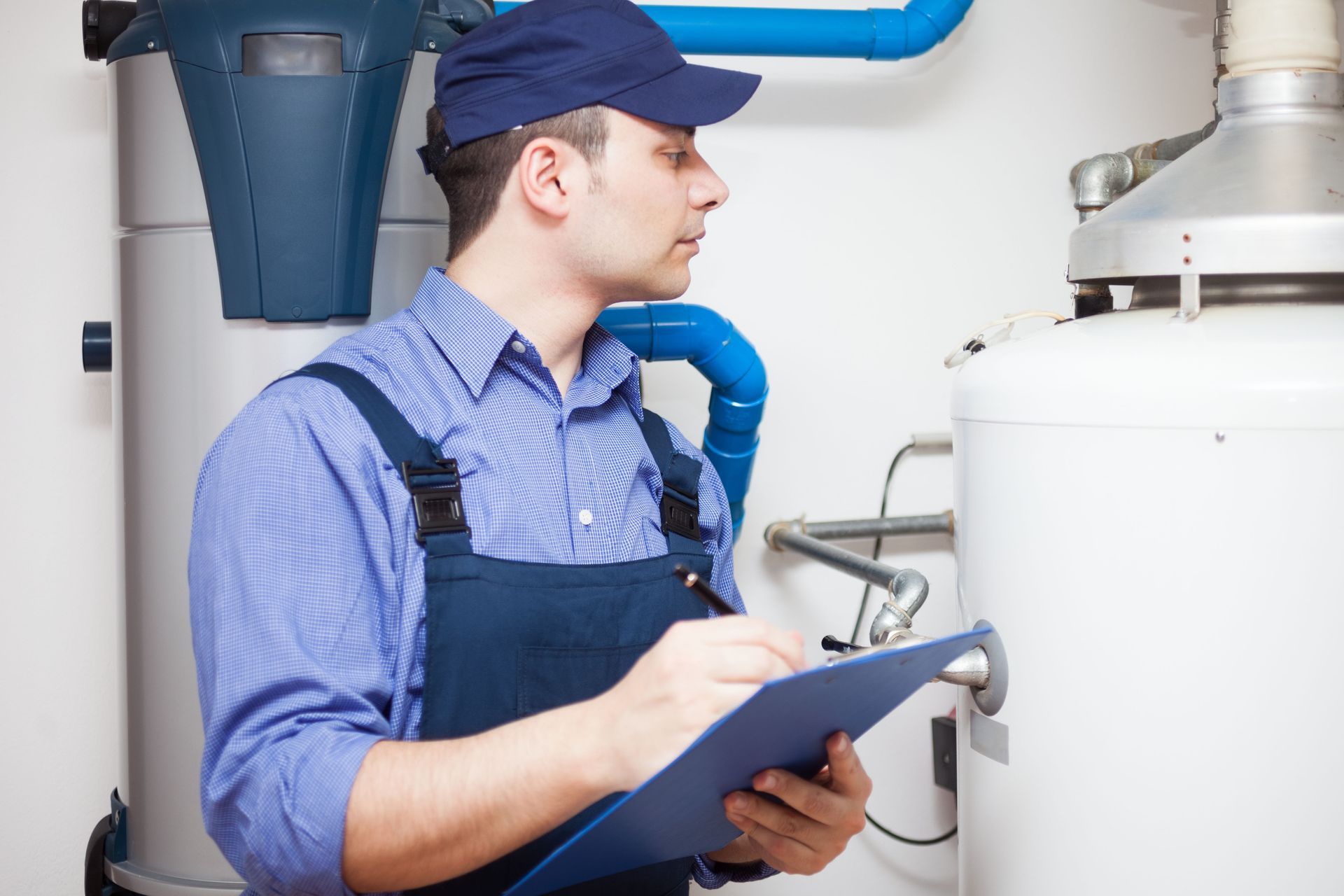
Regular maintenance is paramount in extending the life and efficiency of a water heater. Homeowners should routinely inspect their hot water heaters for observable signs of damage or inefficiency and ensure consistent servicing. Professionals can assess internal issues unnoticeable in typical evaluations, providing timely solutions. Systematic attention enhances performance and addresses potential problems before they exacerbate.
How Can You Improve Your Water Heater's Efficiency?
Increasing the efficiency of a water heater is integral to controlling energy costs and extending equipment lifespan. One straightforward method to improve efficiency is to lower the thermostat setting. Insulating the heater and connecting pipes, especially for those installed in cooler areas, helps reduce heat loss. Implementing heat traps can also minimize the amount of heat that escapes through the inlet and outlet pipes.
Further efficiency can be attained by performing regular maintenance, such as flushing the tank to remove sediment buildup. Sediment acts as a barrier between the burner or element and the water, rendering the unit less effective and driving up energy usage. In the realm of tankless hot water heaters, descaling units annually is crucial to maintaining water flow and heating capability. More advanced upgrades, such as installing timers or solar panels, can significantly enhance savings and sustainability.
Homeowners are encouraged to explore utility incentive programs that offer rebates or discounts for energy-saving modifications to hot water heaters. While initial investments might be necessary, the long-term returns through reduced energy bills substantiate the cost. Consulting professional services can orient investments towards the most impactful enhancements aligned with homeowner needs. Every efficiency gain contributes positively to both financial savings and environmental preservation.
What Costs Should You Evaluate Before Purchasing a Water Heater?
The initial cost of purchasing and installing a water heater is just one aspect of the total expenditure related to water heating systems. While traditional storage tank systems tend to be more affordable upfront, tankless and other high-tech water heaters often entail higher initial expenses. It is crucial to account for additional expenses such as installation fees, which vary significantly based on the complexity of the setup and the system type. Homeowners should also factor in operational costs that differently impact long-term affordability depending on the heater’s energy source and efficiency.
Ongoing maintenance can add to the cost but is vital in preventing expensive breakdowns and extending the heater’s lifespan. The requirement of regular flushing, checking for corrosion, and ensuring proper operation of safety features should be part of budgetary allocations. Additionally, homeowners should consider the potential cost savings from reduced energy use with more efficient or digitally controlled systems. Rebates and tax credits for energy-efficient units can also lessen the financial burden of higher initial costs.
Navigating the world of hot water heaters involves balancing initial costs, operational efficiency, and personal needs to find a fitting solution. This comprehensive evaluation of various water heater types, sizing, warning signs of failure, efficiency improvements, and cost considerations provides a robust roadmap for making informed decisions. By understanding these aspects, homeowners can foster informed decisions tailored to diverse needs and circumstances. Ultimately, with proper planning and maintenance, any water heater acquired can serve its intended purpose efficiently and for the long term. Reach out to Giannone Plumbing Heating & Cooling, LLC to learn more about our services today.


Share On: