Understanding the importance of regular maintenance for your water heater can significantly extend its lifespan and improve efficiency. By adhering to a consistent maintenance schedule, homeowners can avoid unexpected breakdowns and costly repairs. This article explores various maintenance strategies to optimize the performance and longevity of your hot water heater. These strategies not only ensure a steady supply of hot water but also contribute to energy savings and safety. In the following sections, we'll delve into specific maintenance tasks that every homeowner can undertake to keep their water heater in top-notch condition.
1. Regular Flushing to Prevent Sediment Build-Up
Flushing your water heater regularly is one of the simplest yet most effective ways to maintain its efficiency and prolong its lifespan. Sediment build-up at the bottom of the tank can lead to several issues, including reduced heating efficiency and eventual heater failure. Regular flushing helps to remove these sediments, ensuring that the unit operates optimally. It can also reduce the likelihood of flooding, as sediment can clog and strain the system. By keeping the tank clean, you can help your heater produce hot water more efficiently, thereby lowering energy bills.
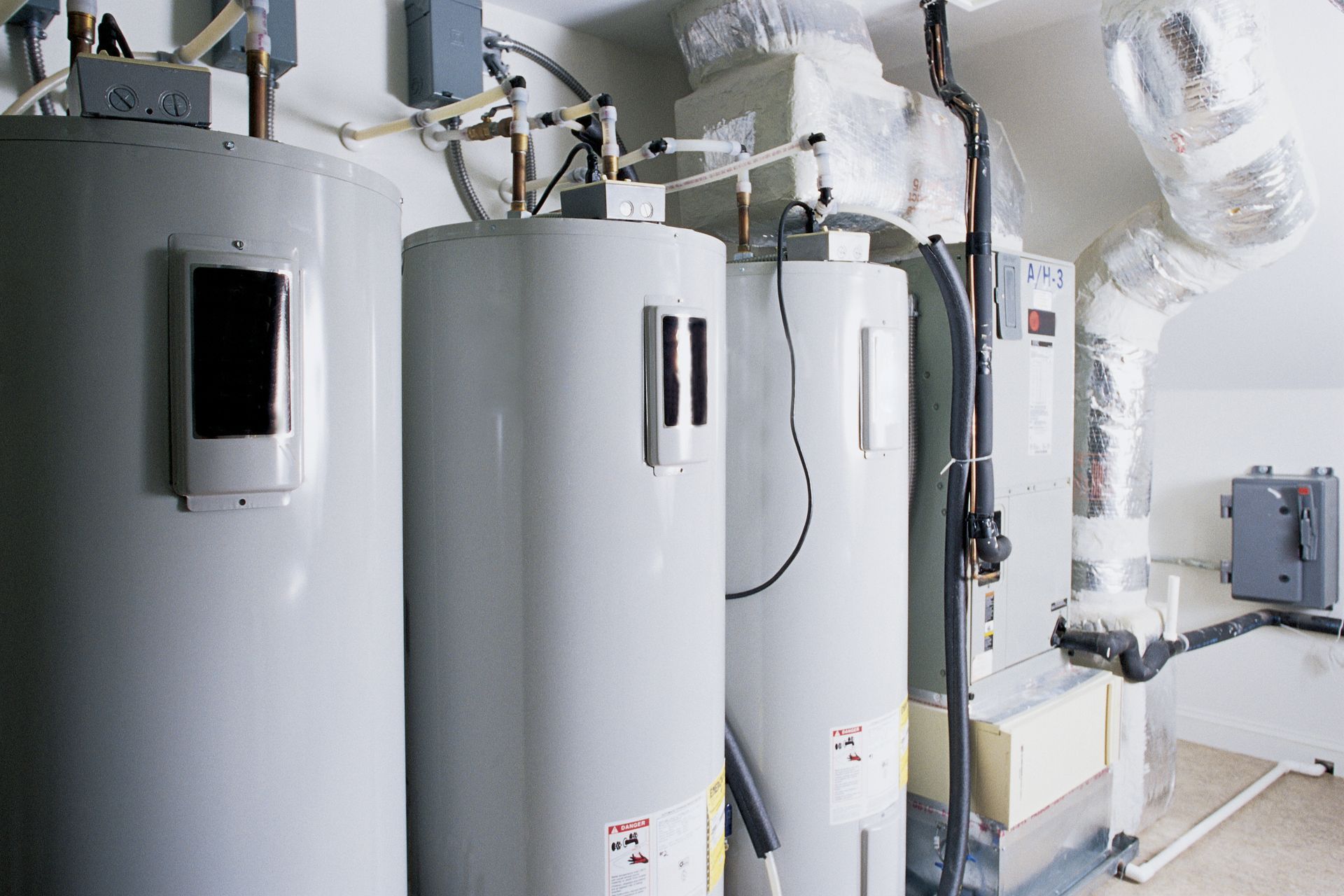
The importance of draining your hot water tank cannot be overstated when considering maintenance practices. Regular draining can prevent serious issues that may arise due to sediment accumulation, such as overheating or tank corrosion. In smaller households, a 40-gallon hot water heater tank is usually sufficient, according to This Old House. However, regardless of size, ensuring that the tank is sediment-free is crucial to its performance. Also, draining the tank periodically can help to detect other potential issues early, allowing for prompt intervention.
Homeowners are often left wondering how often they should flush their water heaters. Experts typically recommend flushing the tank at least once a year, though more frequent maintenance might be needed for homes with hard water. Hard water tends to cause more rapid sediment accumulation due to its higher mineral content. Neglecting this routine task can lead to decreased heater efficiency and unexpected breakdowns, which are both inconvenient and costly. Utilizing the right tools and equipment ensures the efficiency and safety of the flushing process.
2. Anode Rod Inspection and Replacement
The anode rod is an essential component of a hot water heater, designed to attract corrosive elements within the tank. This sacrificial component helps to protect the steel tank from rusting and extends its lifespan by several years. Regularly inspecting and replacing the anode rod as needed prevents costly damage to the tank. The process involves removing the rod, assessing its condition, and installing a new one if significant wear is detected. This simple maintenance step is crucial for sustaining the health of your water heater.
Homeowners need to recognize signs that indicate it's time to replace their anode rod. Some indicators include sulfurous or metallic-tasting water, rusty water, or visible wear on the rod itself. By identifying these signs early, you can avoid extensive damage to the entire heater unit. It's important to act swiftly once these signs present themselves, as an overly worn-out rod will no longer function effectively. As these rods sacrifice themselves to corrosion, keeping them in check ensures the longevity of the tank.
Choosing the right type of anode rod is crucial for your water heater's performance and protection. Several materials are available, including magnesium, aluminum, and zinc-alloy. Each type offers different advantages, and selecting the appropriate one depends on your water's mineral content and quality. Regular checks of the rod and informed choices about replacements keep the water heater functioning efficiently. A well-maintained anode rod translates into a longer lifespan of your hot water tank, sparing homeowners from the expense and hassle of untimely replacements.
3. Checking and Adjusting the Temperature
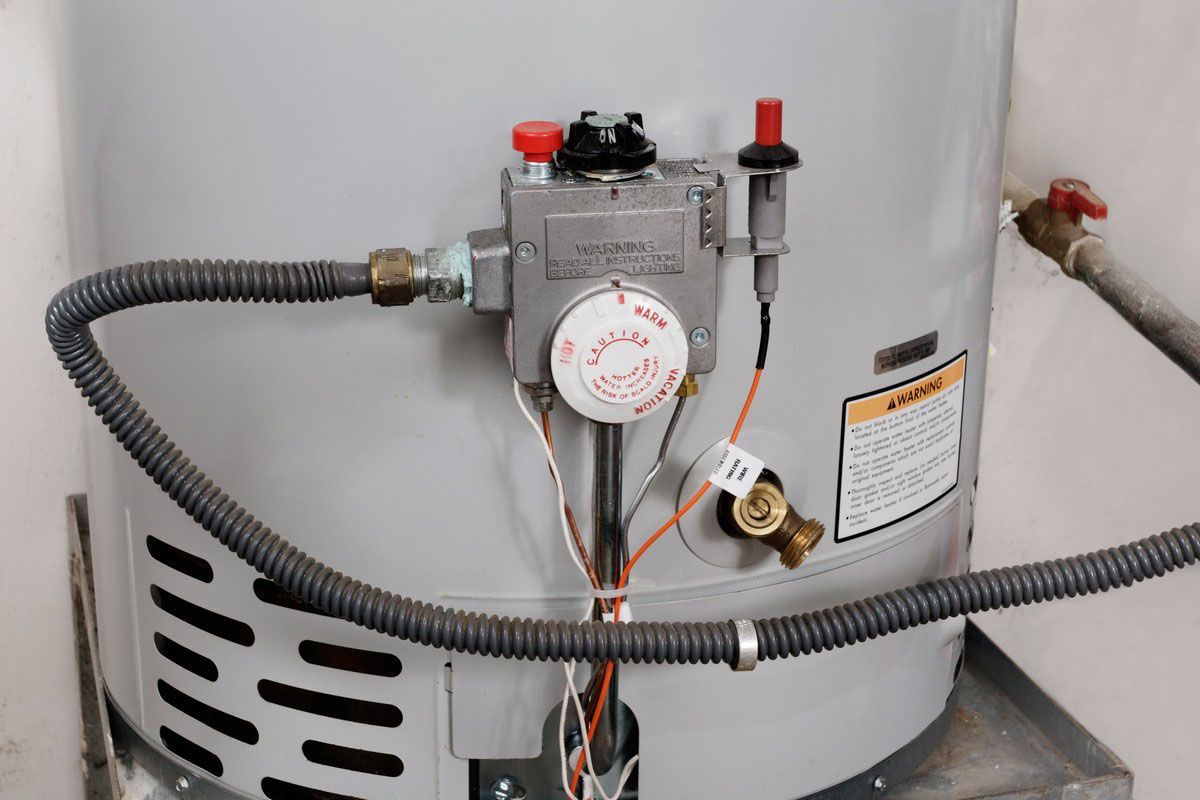
Maintaining the optimal temperature in your hot water heater is not just about comfort, but also about safety and efficiency. The U.S. Department of Energy recommends setting the thermostat at 120 degrees Fahrenheit to prevent scalding while ensuring energy efficiency. Frequently checking and adjusting the temperature setting can help manage energy consumption and prevent overheating, which can be hazardous. If water comes out too hot or too cold, it's often a simple matter of adjusting the thermostat to correct the issue. Such adjustments aid in protecting the components of the heater from unnecessary wear due to temperature extremes.
Proper temperature management contributes to the longevity of your water heater by optimizing its operation. Overheating can cause accelerated wear and tear, potentially leading to leaks or even a complete system failure. Managing the temperature prevents these risks, ensuring that water heater components operate within safe parameters. Furthermore, keeping temperatures moderate reduces the stress on the system, resulting in energy savings and enhanced longevity. It's a simple form of maintenance that requires minimal time but offers excellent benefits.
In homes with varying hot water needs, it's crucial to make appropriate thermostat adjustments to balance efficiency and comfort. For example, larger households may require higher water temperatures during peak usage times. Understanding household needs and adjusting accordingly optimizes heater functionality and saves costs. For smaller homes, lower temperatures can help conserve energy without sacrificing performance. Therefore, regular thermostat adjustments help maintain both comfort and efficiency in diverse home settings.
4. Inspecting and Insulating Water Heater Components
Insulating your hot water heater and the associated piping can offer significant benefits in both energy savings and system efficiency. Proper insulation reduces heat loss, ensuring the water heater doesn't have to work as hard to maintain desired temperatures. This task involves applying insulation blankets around the heater and fitting proper sleeves around the outgoing hot water pipes. This not only improves system efficiency, but it also reduces energy consumption, leading to lower utility bills. Additionally, well-insulated components can better protect against the damage caused by temperature fluctuations.
Identifying components in need of insulation is a critical step in enhancing water heater performance. The heater's pipes, in particular, are prone to losing heat quickly, which affects overall efficiency. Common signs that insulation is lacking include noticeable heat loss from pipes or unnecessarily high energy bills. By addressing these issues early with insulation, homeowners can optimize their water heater's performance while conserving energy. This preventative measure not only protects your investment but also enhances the overall comfort of home living.
Several materials are available for insulating water heater components, each with its own benefits. Reflective insulation, fiberglass wrap, and polyethylene foam pipe sleeves are popular options. Each has its advantages, and selecting the right material depends on specific household requirements and budget considerations. Proper insulation installation is crucial to reap the benefits fully, as incorrect methods could impede efficiency rather than enhance it. Recognizing the signs of poor insulation, such as fluctuating water temperatures or high heating bills, ensures timely interventions that protect the value of your water heater.
Implementing regular maintenance routines for your water heater not only extends its lifespan but also ensures optimal performance and efficiency. By understanding and executing these maintenance tasks, homeowners can save money, enhance safety, and ensure a consistent supply of hot water. Investing time and resources into maintaining your hot water heater is a proactive step towards home care and utility management. From simple maintenance tasks to professional inspections, each action contributes significantly to the overall durability and functionality of the water heating system. Ultimately, regular maintenance fosters a safe, efficient, and comfortable home environment. For more expert information and advice on hot water heater maintenance, inspection, and repair, reach out to Giannone Plumbing Heating & Cooling, LLC!


Share On: